
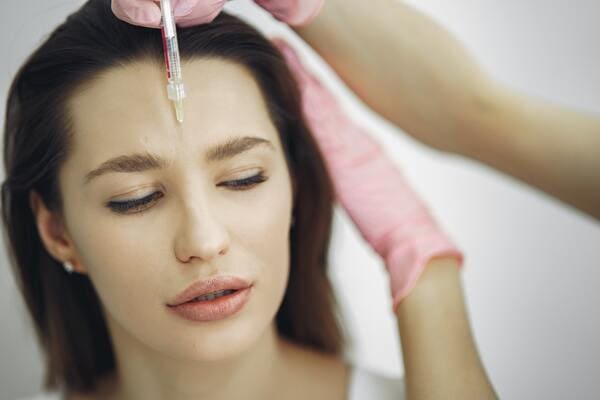
According to medical research, Botox (Botulinum toxin type A) is described as a drug that can be injected to cause provisional muscle frailty. The FDA first approved Botox back in 1989 for the treatment of eye-muscle disorders.
As time went by, botox became widely known as the injectable that can reverse time. In other words, both men and women turn to botox to iron out the fine wrinkles around their eyes and forehead. As a non-surgical procedure, botox is helping millions of people reverse the signs of aging and is the preferred patient-friendly method of the best botox New Jersey professionals to date.
Speaking of the effects of botox, the durability of the treatment largely depends on the amount used and where it is applied, among other factors. Continue reading to understand the basics of botox and how long it will last on you.
A Quick Overview of Botox
In essence, you can expect the effects of botox to last anywhere from four to six months. If you’re using botox for medical purposes, you should know that its effect will have a shorter lifespan, usually from two to three months.
Where you apply a botox injectable and how much of it will determine its durability. Other than that, the following factors also play a role in the duration of the effects:
- The elasticity of your skin
- Your age
- The severity of the wrinkles
- The amount of product used
For instance, if you’re using botox to reduce deep wrinkles, you should not expect them to disappear completely. However, you’ll be able to see a notable difference in the depth of the wrinkles.
What Conditions the Durability of Botox?
As we mentioned, botox works differently on different skin types, age groups, and so on. Before applying botox, make sure that you understand that the injectable isn’t a magic wand that’ll diminish every line on your face.
Skin Type and Elasticity
Your skin type will definitely have a say regarding the durability of the effects of Botox, as different skin types form wrinkles differently. The best practitioners of Botox in New Jersey explain that lighter skin types are genetically predisposed to develop wrinkles faster and earlier than dark skin types.
According to a study from 2016, darker skin tones are more flexible and aren’t prone to developing wrinkles. Melanin makes it crucial for the skin to resist breaking and causing crevices. Hence, darker skin tones can fend off signs of aging better than light-skinned people.
Amount
How much botox you apply is another determining factor for the durability of botox effects. In other words, the larger the administered quantity, the longer the results will last. If you apply minuscule dosages, you can expect the effects to transition sooner.
However, don’t be fooled by going for the larger doses at first. Beginners with botox should start with a lower amount and increase the quantity when and if needed.
Age
It’s only logical that senior men and women will develop more wrinkles because as we age, our skin loses collagen and elasticity, making our skin look and feel droopy. After a certain age, the muscles in our whole body lose their flexibility, rendering our skin less youthful-looking.
Men and women over the age of 50 have found botox especially effective for ironing out deep wrinkles in the forehead, around the eyes, and along the smile lines.
Wrinkle Depth
How deep your wrinkles are will condition the amount of botox you need, as well as the frequency of the treatment – the deeper the wrinkles, the more product needs to be injected.
Severe facial crevices will need more botox for the results to last longer.
How Frequently Can You Inject Botox?
Before you make the definite decision to inject botox in your trouble areas, consult with a doctor. The best botox providers in New Jersey will offer professional advice on how often to do the treatment, as well as deliver the safest and most suitable application.
In all regards, a botox treatment should not be repeated after three months of the latest application, to ensure your body doesn’t develop e botox resistance.
If you practice botox treatments regularly, you can even be without an in-between treatment for longer, even up to 6 months.
When Does Botox Start Working?
Although the commencement of the effects varies from person to person, research shows individuals have noticed the first results within 12 hours of the application. Yet, for the full effect of botox to take place it’s best to give it 14 days.
How Long Will Botox Results Stay on My Face?
As we mentioned, there are multiple factors that take part in the longevity of botox. However, if you practice frequent botox touchups, you can prolong the durability of the effects for over four months.
If you’re dealing with mild wrinkles along the smile lines and around the eyes, you can expect to stretch the durability of the effects of botox longer. On the other hand, if your wrinkles are more prominent and deeper, the results might last shorter.
How Long Do Botox Injections Take?
On average, a typical botox treatment is performed within 15 minutes. If you’re getting botox in New Jersey, you can be sure you’re getting the best service in the nick of time. Because botox injectables are administered quickly, people have begun to refer to them as a “lunch-break procedure.”
Can I Do Something to Make Botox Last Longer?
Luckily for botox enthusiasts, there is actually a veriety of activities you can do and healthy habits to adopt to extend the longevity of the effects of Botox. We have shortlisted the top botox-friendly activities to try and make your botox last longer.
- Consult with health providers on proper aftercare
- Wear sunscreen whenever going out and avoid staying under the sun for long
- Avoid touching or rubbing your face within 24 to 48 hours of the treatment
- Don’t practice strenuous exercises
- Stay in a heat-controlled environment during the 24 hours post procedure
- Wear hats and sunglasses whenever you’re going outside
- Adopt a proper and efficient skincare routine
- Make use of a balanced, nutritious diet
- Minimize stress
- Quit smoking
- Avoid alcohol
There are a few more ways you can try to prolong the effects of botox, such as staying away from tanning beds, hydrating often, and showering with cooler water.
How to Prep for Your Botox Treatment
The process of preparing yourself to get botox should start a week before the actual appointment. This is to ensure your whole body is synched to your needs and provide for an efficient application.
Staying away from alcohol and pausing waxing and bleaching treatments done on the area you want to treat with botox is only a few suggestions to help you prep for botox the right way.
One Week Pre-Treatment
Before you show up for your botox appointment, give yourself seven days to prep your body. Steer clear from using over-the-counter blood thinners like Motrin, Aspirin, and Ibuprofen.
Moreover, avoid using any herbal supplements you might be taking regularly, such as vitamin E, garlic, Omega-3, St. John’s wort, and Ginkgo Biloba. Avoiding the above-mentioned supplements and medications will minimize the chances of developing bruises after treatment.
Three Days Pre-Treatment
As your botox appointment nears, avoid using topical creams and products containing Alpha Hydroxy acid, Tretinoin (Retin-A), Retinoids, Glycolic acid, Retinols, and other anti-aging skin products. The reason for this is to eliminate bruising and swelling post-treatment.
Moreover, it’s a good idea to pause bleaching, waxing, tweezing, or using hair-removal creams on the areas you’ll be treating with botox to minimize your skin’s sensitivity and avoid developing a topical allergic reaction.
It won’t hurt to avoid alcohol altogether, at least 24 hours prior to the botox treatment. Alcohol acts as a blood thinner and can cause extra bruising.
The Day of the Appointment
Your face must be makeup free on the day of the procedure, so be sure to take it off. The best Botox New Jersey medical professionals will explain how to properly apply and wear makeup post-treatment.
To begin the treatment, the practitioner might apply a topical numbing agent to the treated area. This is to ensure total comfort during the procedure,
The Best Botox New Jersey Health Centers: Boost Your Looks the Safe Way!
Before you set your mind on treating unwanted wrinkles with botox, make sure you consult with a professional first. Although it’s a non-invasive procedure, if administered by non-professionals, botox can lead to severe consequences. You can make your botox consultation here.
Pick Line Eraser MD – the best Botox New Jersey medical specialists! Allow Dr. Carol Eisenstat to bring you a step closer to a more youthful, wrinkle-free face in the safest way possible and within no more than 15 minutes!